Top 10 Results
Managed cloud hosting | 4X more speed | 99.9% uptime
www.hostinger.com
Jan 01, 2025 Hostinger
What is Cloud Hosting? Benefits and Risks
cloud.google.com
Apr 25, 2025
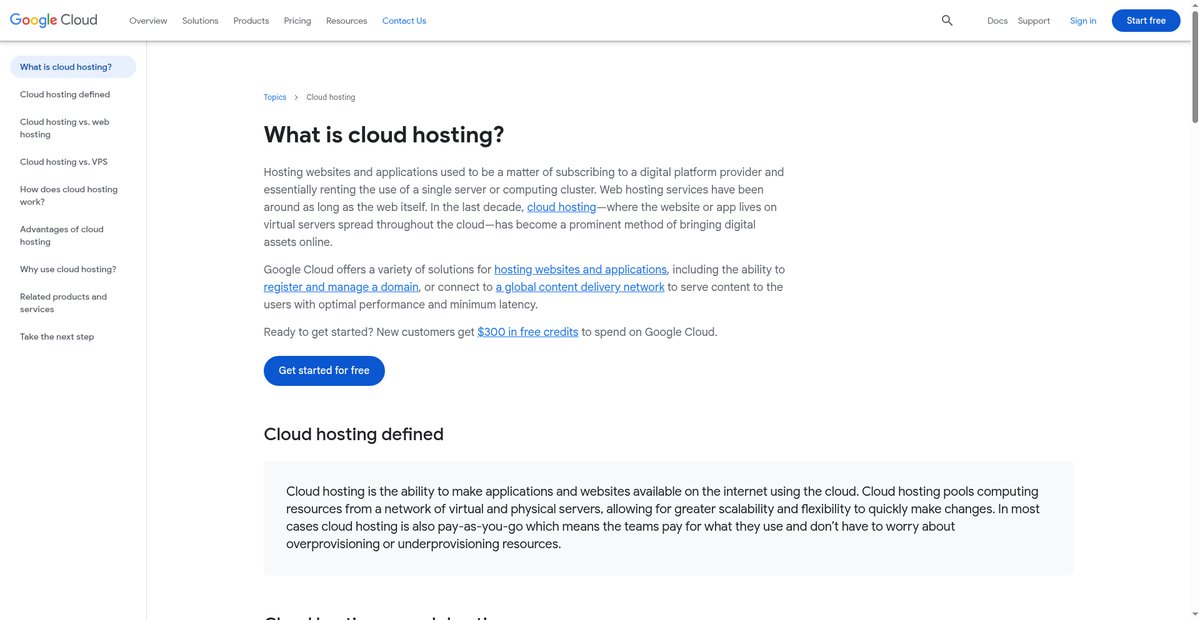
Key differences between cloud hosting and traditional web hosting include:
- **Scalability**: Cloud hosting can easily accommodate increased demand by distributing content across multiple servers, while traditional hosting often requires a service plan change to access more resources.
- **Reliability**: Cloud hosting is generally more robust, as it leverages resources from various locations, enhancing performance and uptime.
- **Management**: Cloud hosting often includes managed services, where the provider handles server maintenance, security, and backups, making it suitable for users without in-house expertise.
For those considering cloud hosting, Google Cloud offers various solutions, including domain registration and global content delivery networks, along with a promotional offer of $300 in free credits for new customers.
Vultr.com: SSD VPS Servers, Cloud Servers and Cloud Hosting
www.vultr.com
Jan 01, 2025
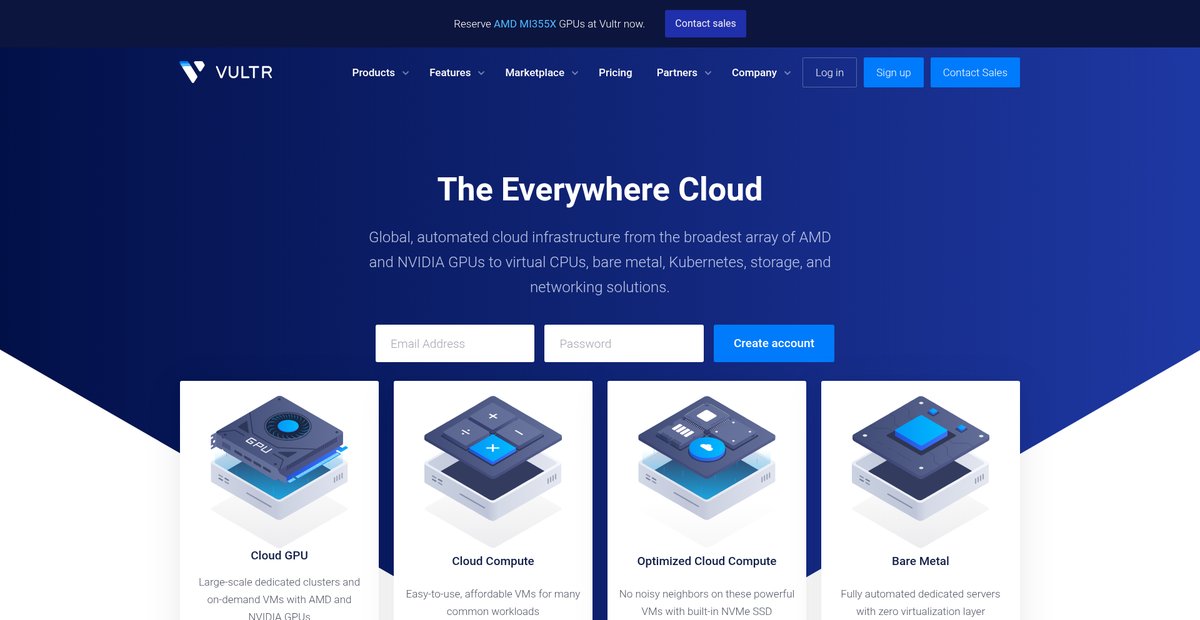
What is Cloud Hosting? - Cloud Server Hosting Explained
aws.amazon.com
Mar 11, 2025
1. **Scalability**: Resources can be adjusted quickly based on demand, allowing businesses to pay only for what they use without the need for upfront hardware investments.
2. **Availability**: With data centers located globally, cloud hosting providers enhance service availability and reduce latency, ensuring users can access applications from anywhere.
3. **Cost Efficiency**: Cloud hosting eliminates the high costs associated with purchasing and maintaining physical servers, offering a pay-as-you-go model.
4. **Security**: Cloud providers invest in advanced security measures and offer regular updates, along with disaster recovery options to protect data.
5. **Time to Market**: Organizations can deploy IT infrastructure rapidly without the delays associated with setting up physical hardware.
Overall, cloud hosting is a modern solution that supports dynamic resource allocation and operational efficiency for businesses. For more detailed information, you can visit the AWS Cloud Hosting page.
Cloud Server Hosting | Linux or Windows
www.ionos.com
Jan 01, 2025
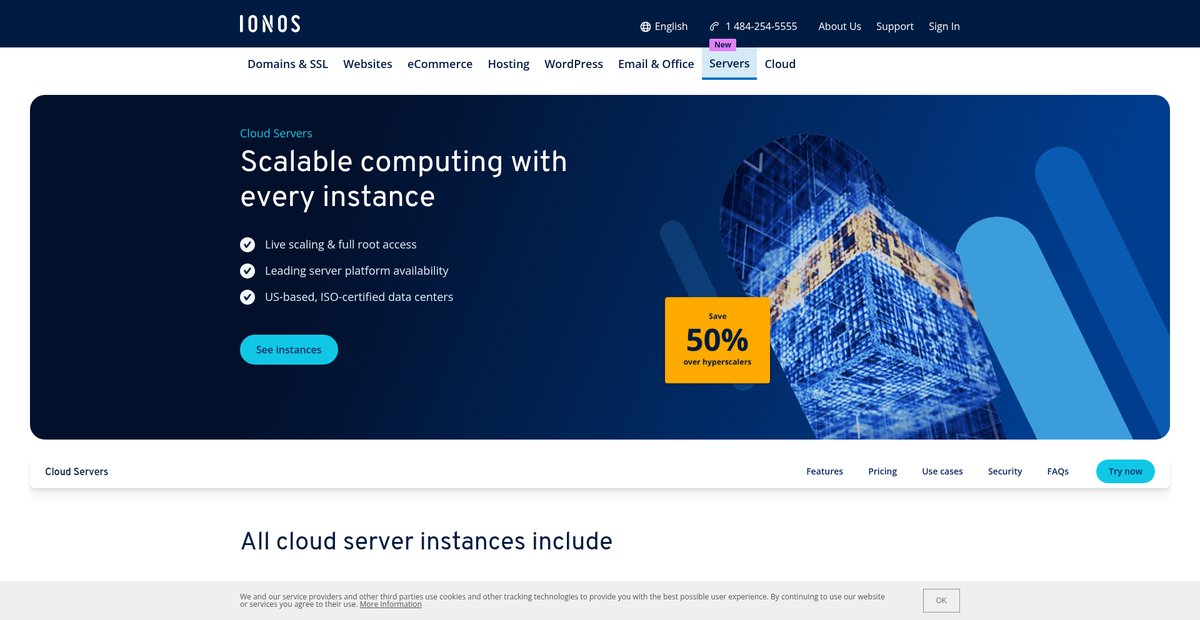
Key features include:
- **Pay-as-you-go pricing**: Customers are billed by the minute for active usage, with no overage fees.
- **Performance**: An uptime guarantee of over 99.99% and free load balancing.
- **Customization**: Users can design and deploy instances quickly using an intuitive interface, with customizable configurations available.
- **Support**: 24/7 expert support and a personal consultant for each cloud server.
Pricing starts as low as $0.008 per hour for basic configurations, making it a cost-effective option for businesses of all sizes. IONOS is trusted by thousands, with over 137,000 virtual machines in operation and 2,500 deployed weekly.
Global Cloud Service Provider
us.ovhcloud.com
Jan 01, 2025
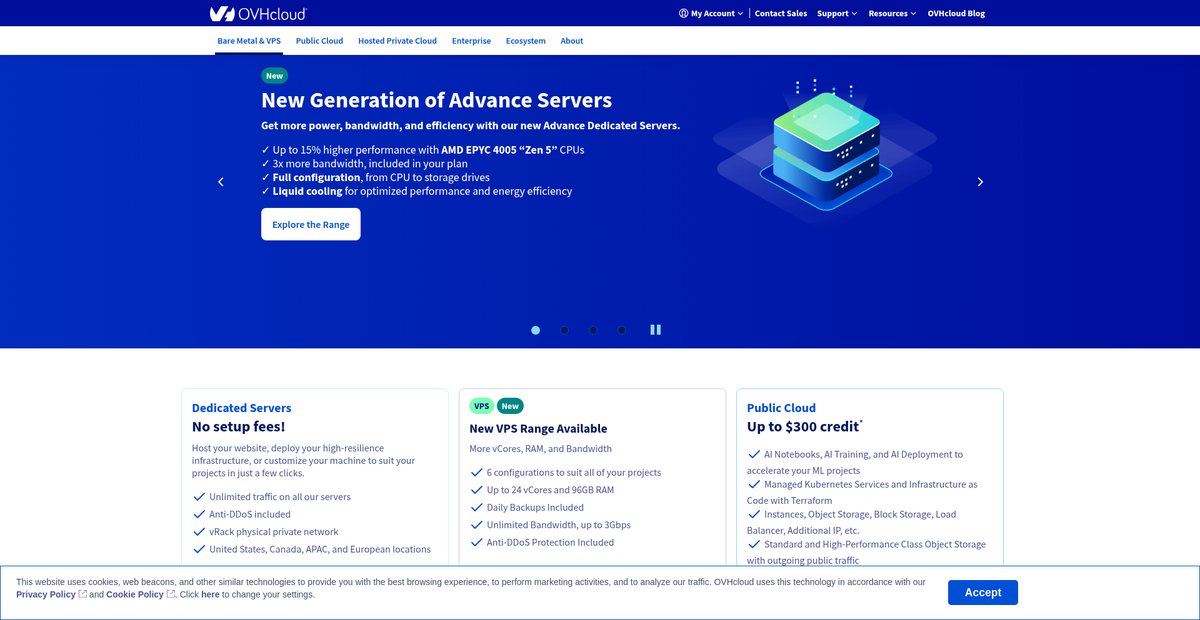
OVHcloud also provides a Public VCF as-a-Service, allowing for quick deployment and cost-effective management of VMware Cloud Foundation. Their dedicated servers come with no setup fees, unlimited traffic, and anti-DDoS protection, making them suitable for various applications, including e-commerce and virtualization.
Additionally, OVHcloud offers a public cloud service with up to $300 in credits for new customers, supporting AI projects and managed Kubernetes services. Overall, OVHcloud's offerings are designed to enhance performance, reduce latency, and provide flexible solutions for cloud hosting needs.
Cheap hosted VPS by Hetzner: our cloud hosting services
www.hetzner.com
Jan 01, 2025
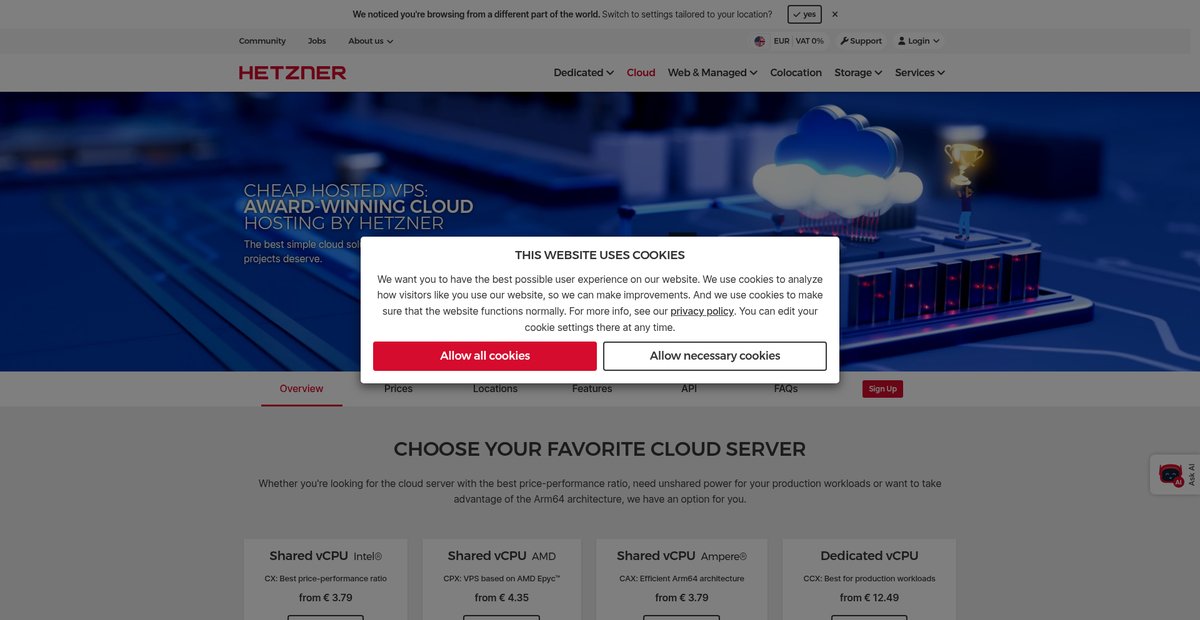
**Key Options:**
- **Shared vCPU Plans:** Ideal for low to medium traffic applications, these plans provide the best price-performance ratio and are suitable for development, testing, and small databases.
- **Dedicated vCPU Plans:** Best for high-traffic websites and applications requiring sustained CPU and network performance, these plans are optimized for business-critical applications.
**Pricing:**
- Shared vCPU plans start from €3.79 per month, while dedicated options begin at €12.49. Users only pay for the hours they use, with no minimum contract period.
**Compliance:** All services are GDPR-compliant, ensuring adherence to strict European data protection standards.
For more details on their offerings, visit Hetzner Cloud.
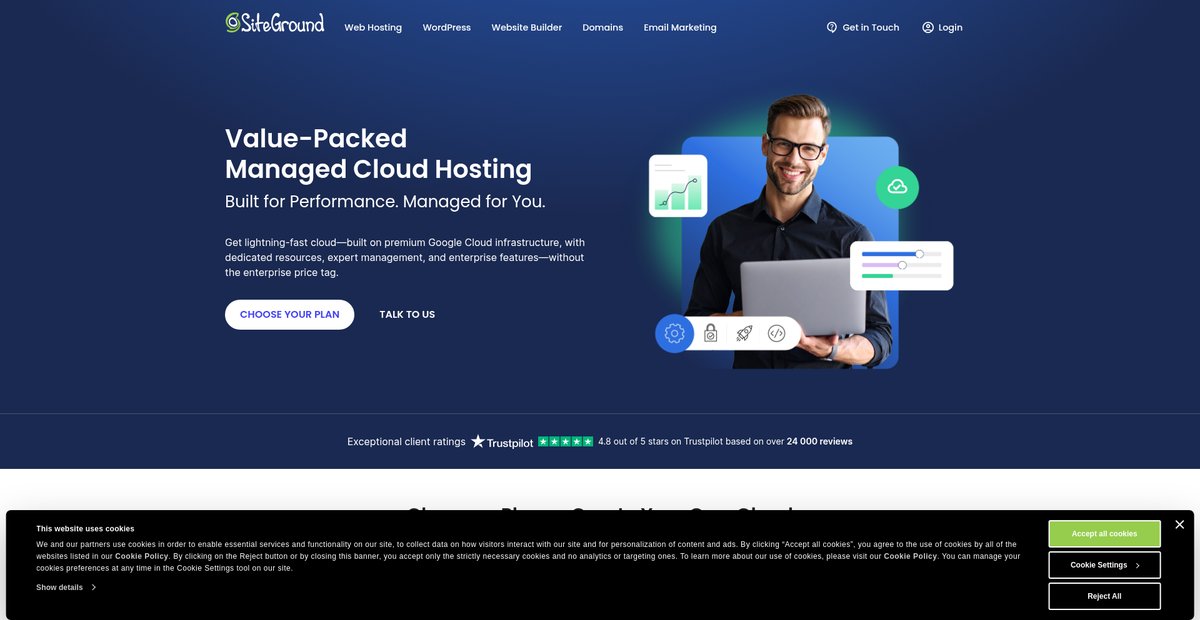
Value-Packed Managed Cloud Hosting
www.siteground.com
Feb 14, 2025 SiteGround Web Hosting
Google Cloud web hosting
cloud.google.com
Apr 28, 2025
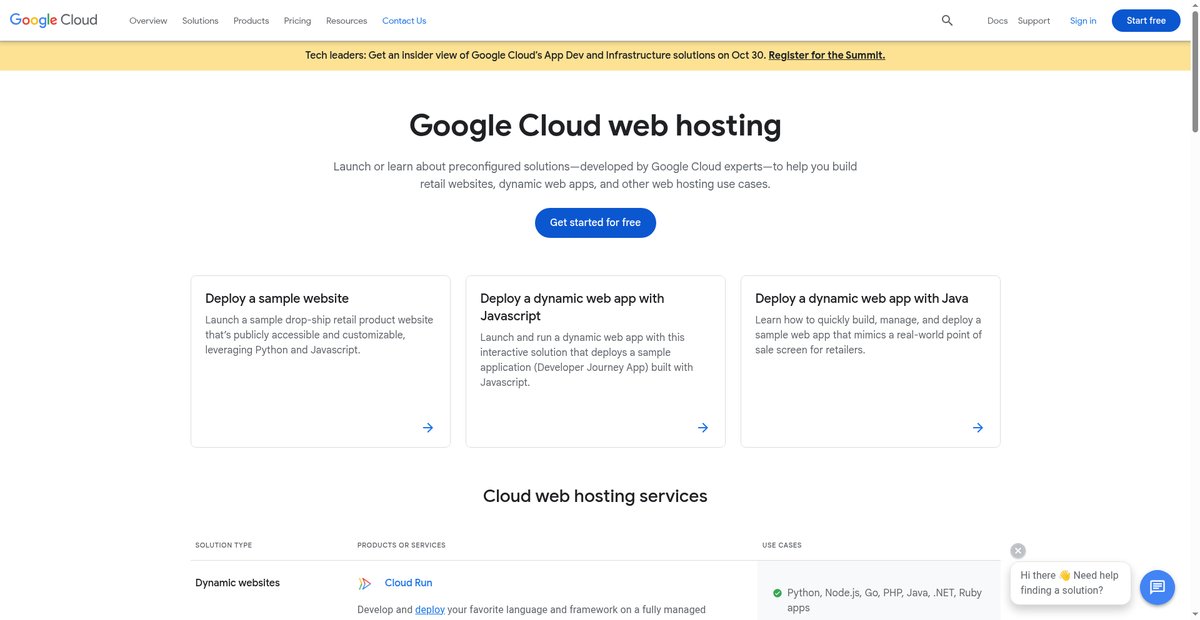
1. **Cloud Run**: A fully managed serverless platform that supports multiple programming languages (Python, Node.js, Go, etc.) and automatically scales based on demand. Ideal for dynamic websites and APIs.
2. **Firebase App Hosting**: Enables deployment of full-stack web applications without backend management. It supports continuous deployment from GitHub and offers global CDN capabilities.
3. **Compute Engine**: Provides complete control over virtual machines, allowing users to configure their own infrastructure. This option is suitable for those needing specific server configurations and flexibility.
4. **WordPress Hosting**: Google Cloud offers simple deployment options for WordPress, including a single-node setup with GKE and Cloud SQL, as well as a preconfigured option on Compute Engine, suitable for blogs and simple websites.
These solutions cater to various use cases, from retail websites to dynamic web applications, making Google Cloud a versatile choice for server cloud hosting. For more details, visit the Google Cloud Web Hosting page.
DigitalOcean | Cloud Infrastructure for Developers
www.digitalocean.com
Jan 01, 2025 Dave McCarthyResearch Vice President, IDC
Screenshots Gallery